The Question Nobody Asks Until It's Too Late
Most riders shop for UTV insurance by comparing premiums. Almost nobody compares valuation methods — until the day their machine rolls, and they find out their "full coverage" policy pays a lot less than they expected. The gap between actual cash value and agreed value coverage is exactly where that surprise happens.
Actual Cash Value: The Default Most Policies Use
Actual cash value (ACV) is the standard payout method on most physical damage policies. In a total loss, the carrier pays what your machine was worth at the moment of the loss — not what you paid, not what it would cost to replace, but its depreciated market value.
Depreciation on UTVs can be steep, especially in the first few years of ownership. A machine you bought two seasons ago for $28,000 might be valued at $19,000-$21,000 today under ACV, even though replacing it with a comparable used unit — let alone a new one — could cost noticeably more, especially in a tight used-powersports market.
Agreed Value: A Number You Set Together, Upfront
Agreed value coverage flips the process. When you bind the policy, you and the carrier agree on the machine's insured value — based on purchase price, condition, mileage/hours, and documented upgrades. If the machine is totaled, that agreed number is what you're paid. No depreciation schedule, no negotiation over "comparable" listings, no gap between what you expected and what actually shows up.
A Real-World Comparison
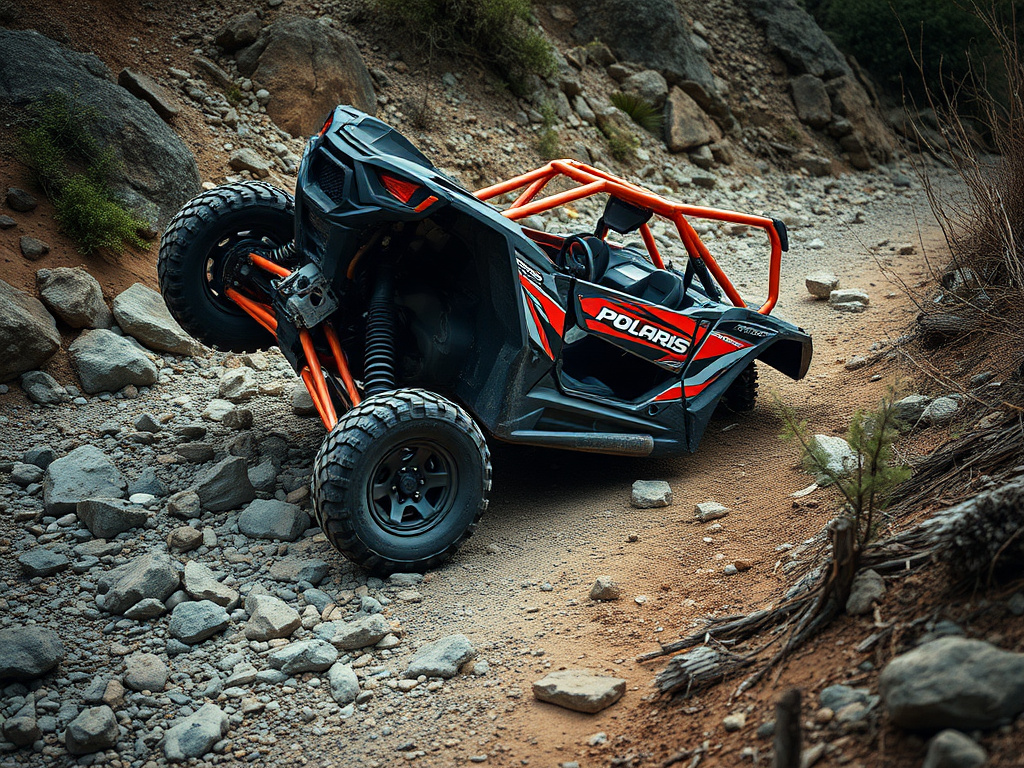
Picture two nearly identical RZR Pro R owners, both with machines originally valued around $32,000, both two years into ownership, both in a rollover that totals the machine:
- Owner A (ACV policy): The adjuster applies a depreciation schedule based on age and mileage/hours. Settlement comes in around $22,000-$24,000 — enough to buy a similar used machine, but a real gap versus what a comparable current-model machine costs.
- Owner B (agreed value policy): The agreed value locked in at binding — say, $29,000 based on the machine's documented condition and upgrades — is paid in full, no depreciation argument.
The premium difference between the two policies is typically modest. The payout difference in a real total loss is not.
Who Benefits Most
- Owners of newer machines, where depreciation takes its biggest bite in the first few years
- Heavily upgraded builds, especially when paired with an accessories & modifications schedule so both the base machine and the upgrades are protected from a depreciation argument
- Limited-production or hard-to-comp models, where thin used-market data makes ACV settlements unpredictable and often conservative
- Anyone who wants certainty over a potentially lower, harder-to-predict ACV number
Setting (and Keeping Current) Your Agreed Value
Your agreed value should reflect the machine's real condition and documented upgrades at binding — and it's worth revisiting at renewal, especially after a significant modification or a market shift. An agreed value that was accurate three years ago on a stock machine isn't accurate today on one with a new turbo kit and a full roll cage.
Stated Value: The Option That Sounds Like Agreed Value But Isn't
There's a third term that gets confused with agreed value: stated value. On a stated value policy, the number you and the carrier list is closer to a ceiling than a guarantee — the insurer can still argue for a lower actual cash value up to that stated cap, rather than automatically paying the full stated number. It's a meaningful difference in how a claim actually resolves, and one that's easy to miss when comparing quotes that use similar-sounding language. Always ask directly whether a quote is offering true agreed value or stated value, since the payout mechanics are genuinely different even though the paperwork can look similar at a glance.
Documenting Your Machine's Value Properly
Getting the most accurate agreed value starts with good documentation at binding: your purchase price or a recent appraisal, current mileage/hours, photos of the machine's condition, and an itemized list of upgrades with approximate costs. Riders who take ten minutes to put this together upfront tend to get a more accurate — and more defensible — agreed value than those who let the carrier estimate from scratch. It's also worth revisiting after any major upgrade, since a roll cage or turbo kit added after your policy was written doesn't automatically fold into your agreed value unless you tell us about it.
The Bottom Line
If you're weighing a slightly higher premium against real dollars on the table in a total loss, agreed value is worth serious consideration — especially for a newer or upgraded RZR. Ask us to walk through both options with real numbers for your specific machine so you can see the difference for yourself rather than guessing at it.
Read more on agreed value coverage or get a free quote to compare both options on your machine.